Professional manufacturer, since 2009.
Spreading the scent of love all over the world.


English
Categories
New Blog
How to Choose the Best Commercial Scent Diffuser Machine for Large Spaces February 06 , 2026
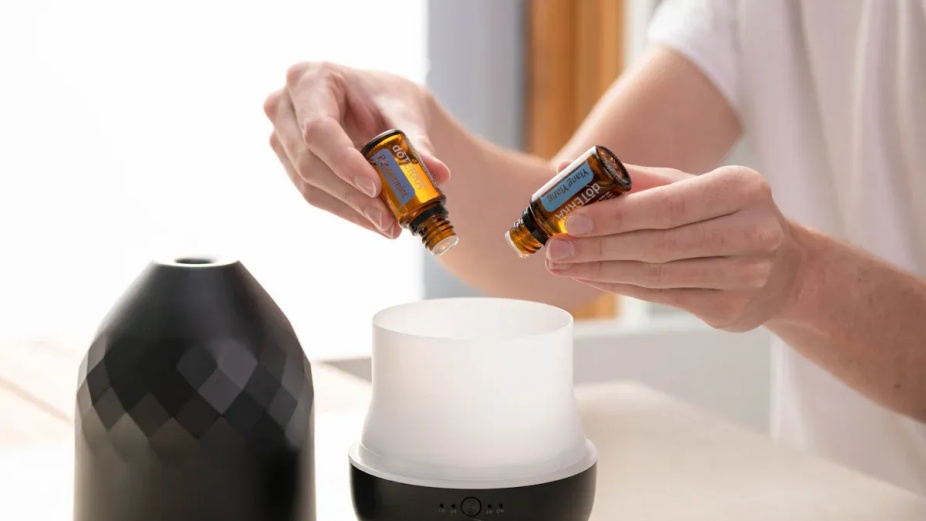
Selecting the right Commercial Scent Diffuser Machine for a large commercial space requires precision. The machine must suit the area’s size and airflow to deliver consistent fragrance. Decision-makers often encounter challenges such as individuals’ sensitivity to fragrances, overexposure that dulls scent impact, and the need for a scent that aligns with brand image. Maintenance and costs can escalate quickly, and customer preferences vary widely. For optimal results, focus on coverage area, diffusion technology, installation method, oil capacity, noise level, advanced controls, and cost.
Match the scent diffuser's capacity to the size of the space for effective fragrance distribution.
Choose cold air diffusion technology for efficient and pure scent delivery without altering essential oils.
Consider noise levels; select machines that operate below 30 decibels for a quiet environment.
Evaluate installation methods; HVAC integration offers seamless coverage, while standalone units provide flexibility.
Regular maintenance is key; routine cleaning and oil replacement ensure optimal performance and longevity.
Matching the capacity of a Scent Diffuser Machine to the size of a commercial space determines the effectiveness of scent distribution. In large environments such as hotel lobbies or shopping malls, a high-capacity diffuser ensures consistent fragrance coverage. If the machine lacks sufficient power, the aroma may dissipate quickly, leaving some areas unscented. Proper alignment of diffuser capacity with space size maximizes the impact of aromatherapy and enhances the overall experience for visitors.
Facility managers must measure both the square footage and cubic footage of the area before selecting a scent solution. Different manufacturers may use varying metrics, so clarity in measurement is essential. For large spaces, the recommended coverage area for commercial scent diffusers starts at 15,000 cubic feet or more. If the area exceeds this range, deploying multiple systems may be necessary to achieve uniform scent distribution. Smaller zones may benefit from ready-to-use products instead of industrial-grade machines. Always choose a system designed specifically for the dimensions of the space.
Tip: Use a laser distance measurer or architectural plans to calculate the exact square footage and ceiling height. This approach helps determine the total cubic volume, which is crucial for selecting the right diffuser.
Airflow patterns and room layout play a significant role in scent diffusion. Strong air circulation, common in large commercial settings, can disperse fragrance unevenly. HVAC systems, open entrances, and high ceilings influence how the scent travels. A high-capacity diffuser can overcome these challenges, ensuring the aroma reaches every corner. Facility teams should assess the placement of vents, doors, and partitions to identify optimal diffuser locations. Strategic positioning helps maintain consistent scent levels and prevents overexposure in concentrated areas.
Note: Consider conducting a walkthrough to observe airflow and identify potential obstacles. This step supports effective planning and maximizes the performance of the chosen scent diffuser system.
Selecting the right Scent Diffuser Machine for a large commercial environment involves careful evaluation of several core features. Facility managers and business owners must consider the type of diffusion technology, oil capacity and consumption, noise level, and advanced control options. Professional-grade machines offer superior performance, reliability, and customization, making them essential for large spaces where consistent scent coverage and operational efficiency are priorities.
The diffusion technology used in a Scent Diffuser Machine determines both the quality and reach of fragrance distribution. Cold air diffusion stands out as the most efficient and effective method for large commercial spaces. This technology uses advanced atomization to create nano-sized particles of essential oils, releasing them into the air in their purest form. Unlike heat-based or ultrasonic systems, cold air diffusion does not require water or heat, which preserves the natural properties and therapeutic benefits of the oils.
Cold air diffusers are incredibly efficient. They use less oil than traditional diffusers to scent the same size room, making them a cost-effective choice in the long run. Unlike heat-based diffusers, cold air diffusers do not alter or degrade the chemical composition of the oils. This preserves the therapeutic properties of the essential oils, allowing you to reap their full benefits. Cold air diffusers can cover larger areas, making them ideal for spacious environments such as hotels, offices, and large homes. When juxtaposed with traditional diffusing methods such as candles, reed diffusers, plug-ins, and ultrasonics, the superiority of cold air diffusers becomes evident.
Cold air diffusion also offers several advantages:
Waterless atomization ensures pure fragrance without dilution.
Ultrafine nano atomization allows for efficient and even diffusion.
No heat damage preserves the natural properties of essential oils.
Eco-friendly and oil-efficient, reducing waste.
Facility managers should prioritize cold air diffusion when selecting a Scent Diffuser Machine for large spaces. Ultrasonic and heat-based systems may suit smaller areas but often lack the power and efficiency required for commercial environments.
Oil capacity directly impacts how long a Scent Diffuser Machine can operate before requiring a refill. For large commercial spaces, machines typically feature oil reservoirs ranging from 500ml to 800ml. This capacity supports extended operation, reducing the frequency of maintenance and ensuring uninterrupted scent coverage.
Product Description | Essential Oil Capacity |
|---|---|
Large Coverage Commercial Fragrance Oil Scent Machine Aroma Diffuser for Bar | 500ml |
Large Area Commercial Metal Aroma Scent Diffuser Machine With Timer Program | 500ml |
Oil consumption rates vary by model and intensity settings. For example, a Large Area Aroma Diffuser Machine designed for commercial use typically features higher oil efficiency and extended operation time:
Model: Large Area Aroma Diffuser Machine A5000
Oil Consumption Rate: 8g/h
Capacity: 800mL
A higher oil capacity and efficient consumption rate allow the Scent Diffuser Machine to maintain consistent fragrance levels throughout the day, even in high-traffic environments. Facility teams should assess both the size of the oil reservoir and the expected consumption rate to match operational needs.
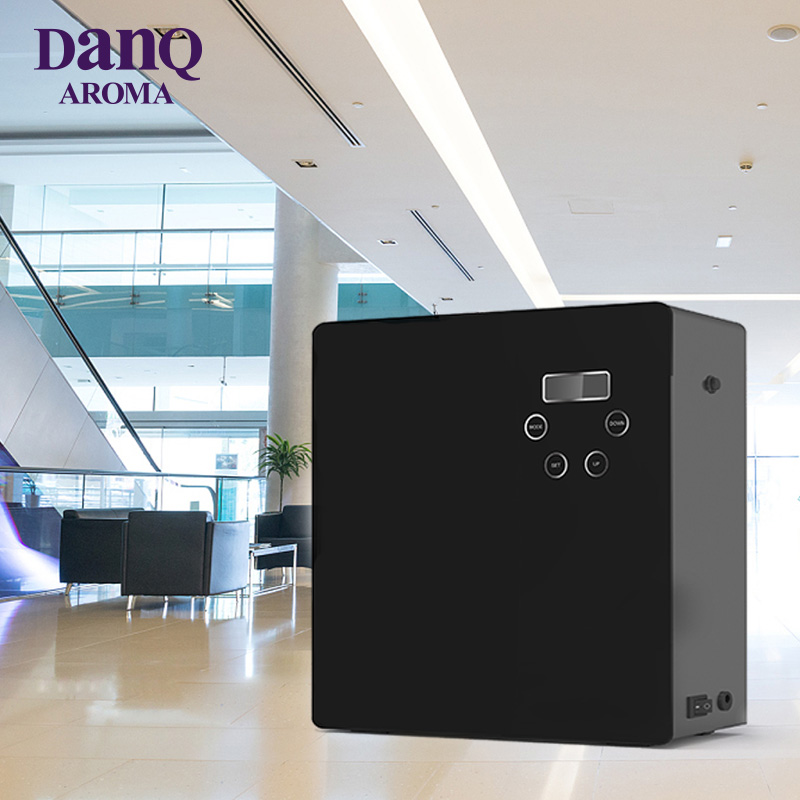
Noise level plays a critical role in the selection of a Scent Diffuser Machine, especially in environments where ambiance matters. Professional-grade machines designed for large spaces typically operate at noise levels below 30 decibels, which is comparable to a whisper. This quiet operation ensures that the machine does not disrupt guests or employees in settings such as hotels, offices, spas, or retail stores.
The average noise level of commercial scent diffusers for large spaces is ideally below 30 decibels.
Operating noise is less than 35 decibels, ensuring a quiet environment suitable for offices and commercial spaces.
Evidence | Explanation |
|---|---|
Low noise operation is crucial for scent diffuser machines | It contributes to a more comfortable and inviting atmosphere, enhancing customer experience and satisfaction. |
Some diffusers have features to reduce noise | Insulated blades or built-in silencers help maintain low noise levels, which is particularly important in settings like hotels and offices. |
Facility managers should always verify the noise specifications before installation. Machines with built-in silencers or insulated components offer additional assurance of quiet performance.
Advanced control features set professional-grade Scent Diffuser Machines apart from basic models. Intensity control allows users to adjust the strength of the fragrance to suit different times of day or occupancy levels. Scheduling features enable automated operation, ensuring the scent remains consistent without manual intervention.
Feature | Description |
|---|---|
Smart Control Options | Manage intensity and scheduling remotely via Bluetooth using the AromaPlan exclusive app or with the included remote control. |
Feature | Description |
|---|---|
Custom Scent Schedules | Create custom scent schedules and adjust scent intensity |
Adjustable Settings | Customizable with adjustable date, time, and scent intensity settings |
Centralized remote programmability allows for full control of scent intensity and scheduling.
Control hundreds of zones from a single platform, eliminating the need for local manual adjustments.
These advanced features improve operational efficiency and ensure a consistent olfactory experience for visitors. Facility managers should seek out Scent Diffuser Machines with programmable scheduling and remote control capabilities to maximize flexibility and convenience.
Choosing the right installation method for a commercial scent diffuser machine impacts both coverage and operational efficiency in large spaces. Facility managers often select between HVAC integration and standalone units, each offering distinct advantages and considerations.
Integrating a HVAC Scent Diffuser System with an existing HVAC network provides seamless fragrance distribution throughout expansive environments. This method uses the building’s existing air circulation to deliver consistent scent coverage, eliminating the need for multiple devices. Centralized systems suit hotels, office buildings, and shopping malls, where uniform scenting is essential.
Steps for HVAC Integration:
Assess the space size and characteristics to determine the appropriate diffuser and fragrance amount.
Select a suitable scenting machine, such as the Scent 1002 Wifi, based on coverage needs.
Install the device in the technical room and connect it to the air conditioning ducts.
Choose fragrances that match the space’s intended use and occupant preferences.
Schedule fragrance diffusion through the HVAC channels for optimal timing.
Monitor and maintain the device regularly to ensure fragrance quality and system efficiency.
Tip: Always use non-toxic, hypoallergenic scent oils and follow manufacturer guidelines to protect air quality and occupant comfort.
HVAC integration offers whole-building coverage, premium fragrance quality, and energy efficiency. It also reduces maintenance by centralizing scent distribution. However, professional installation is required, and compatibility with existing HVAC systems must be confirmed.
Standalone scent diffuser units provide flexibility for spaces where HVAC integration is impractical or unnecessary. These devices operate independently and can be placed strategically to target specific zones.
Benefits of Standalone Units:
Elevate air quality and neutralize odors, enhancing ambiance.
Reinforce brand identity through signature scents.
Boost sales and customer loyalty by creating a welcoming environment.
Enhance mood and productivity for employees and guests.
Standalone units allow customizable scheduling and intensity control, saving product and costs. However, large areas may require several devices to achieve uniform coverage, increasing overall expense. Connecting diffusers can be challenging in buildings with multiple air handlers, and monthly costs often exceed those of traditional air fresheners.
Note: Regular maintenance, including cleaning and oil replacement, ensures optimal performance and longevity for standalone units.
Facility managers should weigh the benefits of centralized HVAC integration against the flexibility of standalone units to select the most effective solution for their commercial space.

Routine maintenance keeps commercial scent diffuser machines running efficiently in large spaces. Regular cleaning and upkeep, such as replacing filters or cleaning the reservoir every few months, help maintain optimal performance. Most modern diffusers require minimal maintenance, and spare parts are usually easy to obtain. If a problem occurs, facility managers should contact the manufacturer for guidance on repairs or replacements. Malfunctions rarely happen, but preparation ensures quick resolution.
Contact the manufacturer for troubleshooting or replacement parts.
Address any issues promptly to avoid disruptions.
Routine cleaning every two to three weeks extends the machine’s lifespan. Some advanced models feature self-cleaning functions, which reduce maintenance effort by up to 40%. Consistent maintenance not only improves reliability but also lowers the risk of unexpected downtime.
Understanding the total cost of ownership (TCO) helps decision-makers compare scent diffuser machines accurately. TCO includes the initial purchase price, installation fees, consumable costs, and ongoing maintenance. Machines with longer-lasting fragrance cartridges and less frequent maintenance intervals offer better long-term value.
Upfront hardware cost covers the initial investment.
Consumable pricing includes fragrance oils and replacement parts.
Managed service fees may apply for ongoing support.
Calculating TCO allows facility managers to budget effectively and avoid hidden expenses. Machines with self-cleaning features or efficient oil consumption can reduce operational costs over time.
Safety remains a top priority in commercial environments. Reliable scent diffuser machines include features such as overheat protection, automatic shut-off, and non-toxic fragrance formulations. Compliance with fire safety and emission standards ensures suitability for public spaces.
VOC-compliant and IFRA-compliant machines meet industry guidelines.
OSHA and WHMIS safety standards protect occupants and staff.
Many modern diffusers use IoT technology for real-time monitoring. Facility managers receive alerts for low oil levels, filter changes, or unusual mist patterns. These features help prevent accidents and ensure safe, efficient operation in large environments.
Facility managers and business owners should prioritize several essential features when evaluating commercial scent diffuser machines for large spaces. These features ensure reliable performance, safety, and ease of use.
Coverage area that matches the square footage of the intended space.
Low noise level, especially for environments where quiet operation is necessary.
Programmable timers and adjustable intensity settings for precise control.
Compatibility with professional-grade oils that meet safety standards.
Industrial-grade build quality and certifications for long-term durability.
Adjustable mist settings to customize scent strength for different zones.
Automatic shut-off functions to enhance safety and prevent overuse.
Quality materials such as glass or ceramic to preserve the integrity of essential oils.
Tip: Machines with advanced control capabilities and robust construction often deliver better value and reliability in demanding commercial settings.
Decision-makers should ask targeted questions to vendors before purchasing a scent diffuser machine. These questions help clarify product specifications and support informed choices.
What is the maximum coverage area for this model?
Does the machine operate below 30 decibels?
Can users program scent schedules and adjust intensity remotely?
Which types of essential oils are compatible with the device?
What certifications does the machine hold for safety and emissions?
Are replacement parts and maintenance support readily available?
Does the unit feature automatic shut-off or self-cleaning functions?
What materials are used in the construction of the diffuser?
Note: Clear answers to these questions help buyers avoid unexpected costs and ensure the machine meets operational requirements.
Before finalizing a purchase, facility managers should review key factors to ensure the chosen scent diffuser aligns with their needs. The following table summarizes recommended evaluation criteria:
Factor | Recommendations |
|---|---|
Room Size and Coverage Area | Choose diffusers based on space size: Small (up to 500 sq. ft.), Medium (500–1,500 sq. ft.), Large (1,500+ sq. ft.). |
Fragrance Type | Align scent with brand identity; test samples; consider essential vs. synthetic oils. |
Durability and Maintenance | Opt for durable materials; check for easy maintenance features like detachable parts. |
Power Supply | Evaluate plug-in vs. battery-operated options; consider energy consumption ratings. |
Integration with Smart Systems | Look for compatibility with smart technologies for enhanced control and automation. |
Facility managers should test fragrance samples, verify machine certifications, and confirm maintenance requirements before making a final decision. These steps help ensure the selected diffuser delivers consistent performance and supports the organization’s goals.
Facility managers should focus on coverage area, advanced diffusion technology, installation method, and overall value when selecting a commercial scent diffuser machine. Experts recommend matching diffuser capacity to room size for effective scent distribution. Larger tanks reduce refill frequency and support continuous operation, which is vital for commercial environments. Decision-makers can prioritize these criteria to ensure consistent fragrance and operational efficiency.
Match diffuser capacity to room size.
Choose features that enhance user experience.
Select larger tanks for fewer refills.
Facility teams can review these factors and consult vendors to make informed choices.
Manufacturers design most commercial scent diffusers to cover areas starting at 15,000 cubic feet. Facility managers should always match the machine’s capacity to the space size for consistent scent distribution.
Refill frequency depends on oil capacity and usage intensity. In high-traffic commercial spaces, teams typically refill large reservoirs every two to four weeks. Efficient machines with larger tanks require less frequent maintenance.
Yes. Many commercial scent diffusers offer HVAC integration. This setup distributes fragrance evenly throughout large buildings and reduces the need for multiple standalone units.
Reputable machines use non-toxic, hypoallergenic oils and comply with safety standards. Facility managers should verify certifications and choose products with automatic shut-off and overheat protection for added safety.

Professional manufacturer, since 2009.
Spreading the scent of love all over the world.


Guangzhou DANQ Environmental Technology Co.,LTD